


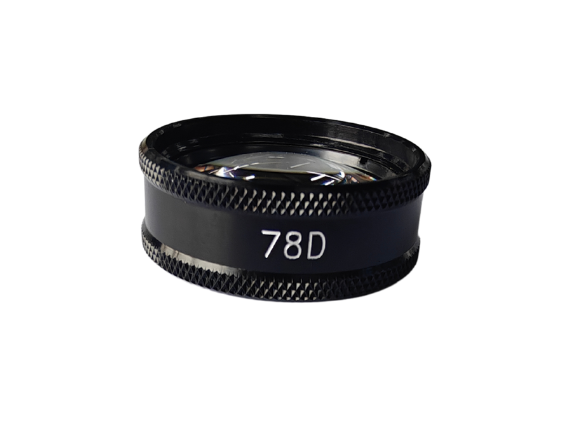
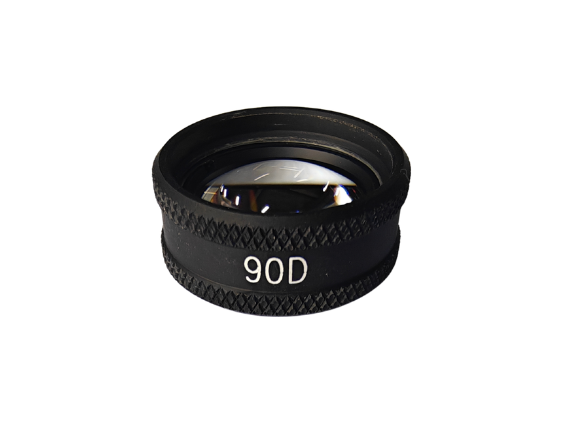
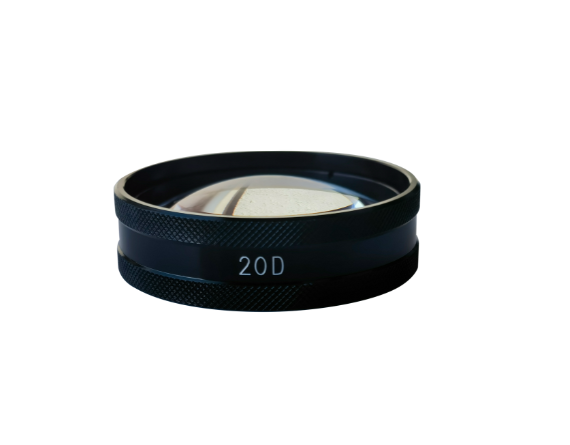
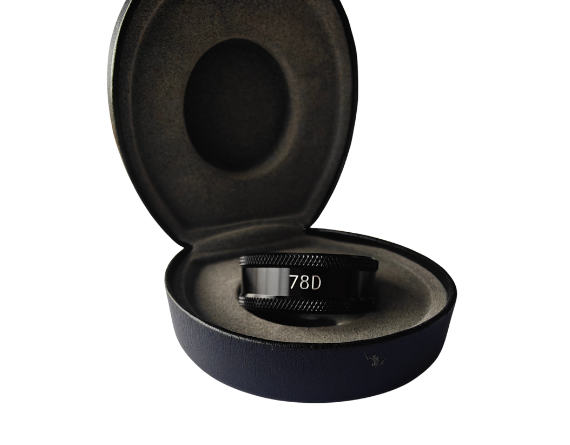
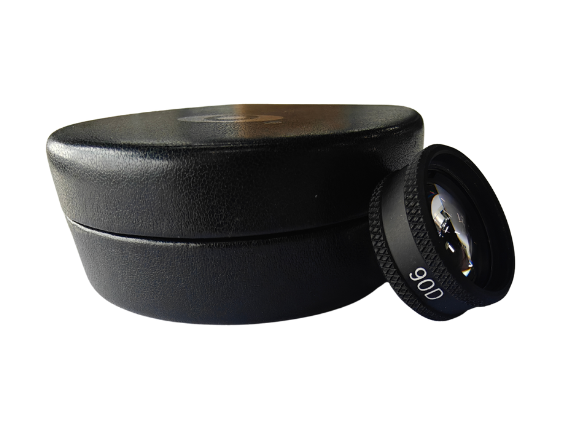
Aspheric Lens 20D 78D 90D
- World-class German glass
- Multiple coatings optics
- 20D, 78D, 90D lens options
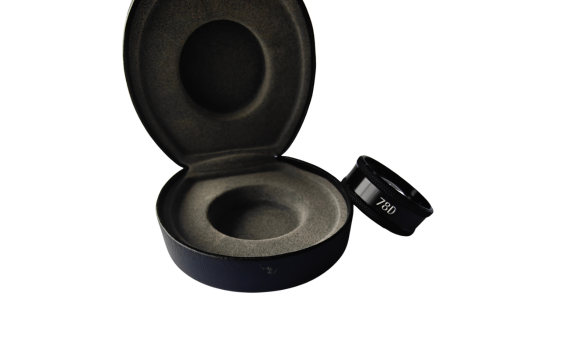
- Leather protective case
What the Aspheric Lenses Used for?
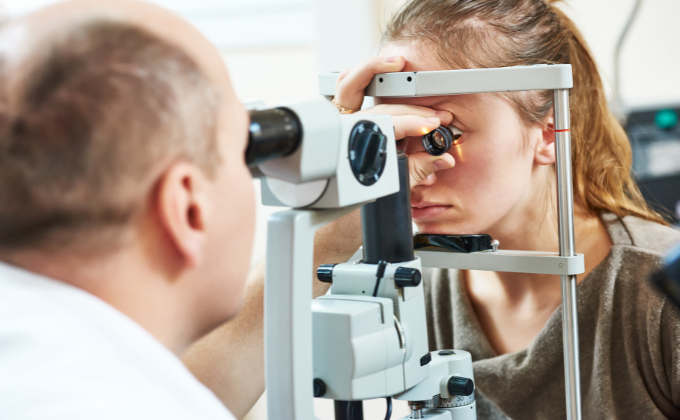
20D, 78D, and 90D aspheric lenses are mainly used to observe the retina under a slit lamp. These lenses are often used in conjunction with a slit lamp microscope or ophthalmoscope, especially when examining the posterior vitreous body and fundus of the human eye. For example, high positive lenses 78D and 90D are often used to observe the retina, while 20D focusing lenses are used for fundus examination.
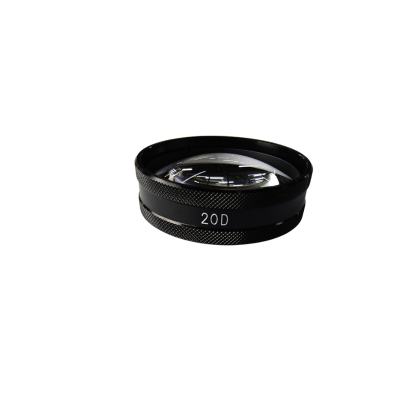
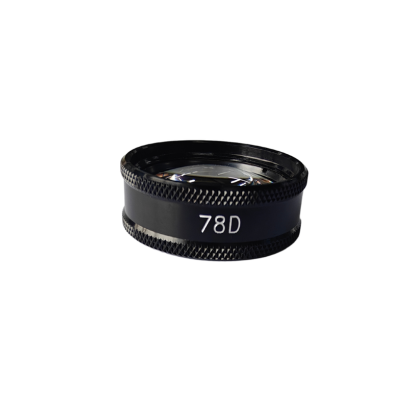
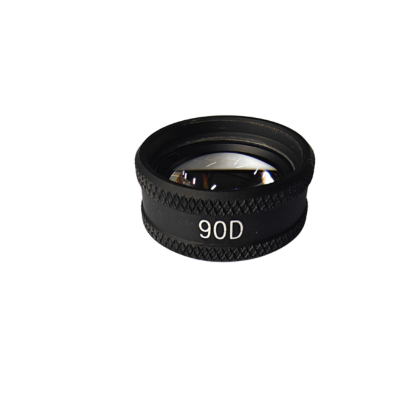
Specifications
| Product name | 90D Lens | 78D Lens | 20D Lens |
| Image magnification | 0.65X | 0.77X | 2.97X |
| Field of view | 74° | 74° | 50° |
| Working distance | 10 | 10 | 47 |
| Clear aperture | 18 | 26 | 48 |
Three Types of Aspheric Lens
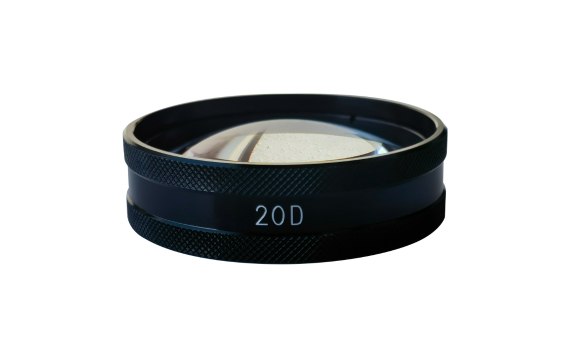
20D Lens
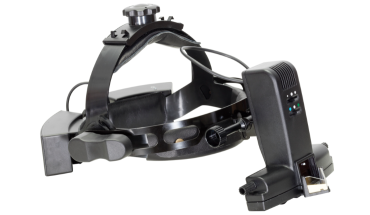
20D aspheric lens with 50-degree large field of view for general eye examination, like the observation of cornea or iris, often working with binocular indirect ophthalmoscopes
78D Lens
78D aspheric lens can work with slit lamp for fundus examination, general diagnosis of glaucoma and other posterior abnormalities, also suitable for surgical microscope.
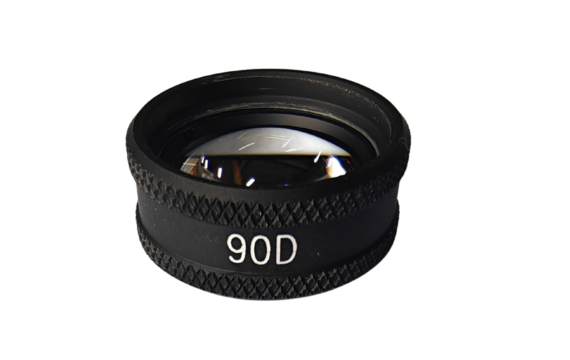
90D Lens
90D aspheric lens with large magnification for fundus and small pupil observation, especially observing the structures of retina and macula.
Aspheric Lens Applications
Our aspheric lenses can work with direct and indirect ophthalmoscopes to detect retinal diseases. They also assist slit lamps during eye examinations.

Features of 66 Vision Aspheric Lenses
The surface curvature of 66 Vision aspheric lenses is optimized according to optical principles. This design can reduce or eliminate aberrations such as spherical aberration, coma, and astigmatism in spherical lenses, thereby providing clearer and more accurate visual effects.
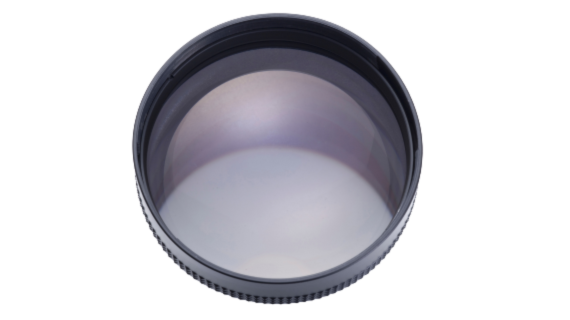
The core difference between spherical lenses and aspherical lenses lies in the peripheral imaging quality and thickness design of the lenses. Aspherical lenses reduce peripheral aberrations by optimizing the surface curvature, making the field of view clearer and the lenses thinner. So, the aspheric lenses are more suitable for high-resolution optics. Aspherical lenses are also especially suitable for patients with high myopia or astigmatism, but they are more expensive. Spherical lenses are prone to deformation at the periphery and are more suitable for people with low degrees.
66 Vision offers one-year warranty for the aspheric lens.
The aspheric lens needs to be cleaned with professional lens cloth
We have aspheric lenses in stock, so we can deliver as soon as receiving the payment.